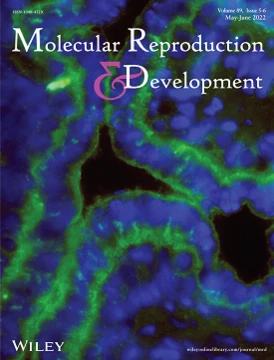
Embryo
Initial developmental stage of a multicellular organism.

An embryo is the initial stage of development for a multicellular organism. In organisms that reproduce sexually, embryonic development begins just after fertilization of the female egg cell by the male sperm cell, producing a single-celled zygote that undergoes cell divisions to form a blastula or blastocyst. The term is used broadly for early developmental stages prior to birth or hatching.
- field
- Developmental biology
- known_for
- Initial stage of multicellular organism development
- etymology
- From Greek ἔμβρυον (émbryon) 'young one', derived from ἐν (en) 'in' and βρύω (brýō) 'to swell'
Lore & Background
The word embryo was first attested in English in the mid-14th century, deriving from Medieval Latin embryo, itself from Greek ἔμβρυον (émbryon) meaning 'young one', morphologically from ἐν (en) 'in' and βρύω (brýō) 'to swell, to be full'. In animals, fertilization creates a zygote that undergoes cleavage—rapid mitotic cell divisions without overall size change—resulting in a blastula or blastocyst. The mammalian blastocyst hatches before implanting into the endometrial lining of the womb. Gastrulation follows, forming two or three germ layers (ectoderm, mesoderm, endoderm) that give rise to all tissues and organs. Neurulation forms the nervous system, and organogenesis develops the body's organs. In humans, the developing organism is called an embryo until the ninth week after conception, after which it is termed a fetus. In other multicellular organisms, the word embryo can be used more broadly for any early developmental stage prior to birth or hatching.
Reader's Guide
The concept of the embryo is central to developmental biology, providing a framework for understanding how a single-celled zygote transforms into a complex multicellular organism. Embryonic development proceeds through conserved stages—cleavage, blastula formation, gastrulation, and organogenesis—that are studied across species to reveal fundamental processes such as gene expression, cell fate specification, and polarity. In humans, the embryonic period ends at the ninth week after conception, when the organism is thereafter called a fetus. The study of embryos has profound implications for medicine, including understanding congenital disorders, stem cell research, and reproductive technologies. In plants, embryos develop within seeds after fertilization, progressing through globular, heart, and torpedo stages before dormancy and germination. All land plants produce embryos, distinguishing them as embryophytes from algae. The term's etymology reflects its Greek origins meaning 'growing in', underscoring the embryo's enclosed, developing nature. Embryos from numerous plant and animal species are studied in biological research laboratories worldwide to learn about topics such as stem cells and evolution.
Did You Know?
- The word embryo derives from Greek ἔμβρυον (émbryon) meaning 'young one', from ἐν (en) 'in' and βρύω (brýō) 'to swell'.
- In humans, a developing organism is called an embryo until the ninth week after conception, after which it is referred to as a fetus.
- The mammalian blastocyst hatches before implanting into the endometrial lining of the womb.
- All land plants create embryos and are collectively called embryophytes.
Frequently Asked Questions
What is an embryo in the context of reproduction and development?
An embryo refers to the earliest phase of growth in any multicellular organism, encompassing the period right after fertilization and continuing through the early stages before birth or hatching.
When exactly does embryonic development start?
In sexually reproducing species, the process kicks off the moment a sperm cell fuses with an egg cell, creating a single-celled zygote that then begins dividing to form structures like a blastula or blastocyst.
Where does the word 'embryo' come from?
The term traces back to the Greek word émbryon, meaning 'young one,' which itself is built from the prefix en ('in') and the verb brýō ('to swell'), evoking the idea of something growing inside.
Which branch of biology focuses on studying embryos?
Developmental biology is the field dedicated to understanding how a single fertilized cell progresses through its earliest stages into a structured, multicellular organism.
How does the embryo stage relate to the broader timeline of an organism's life?
It represents the very first chapter of development, sitting between the initial zygote and whatever comes next—whether that is birth, hatching, or further morphological change—making it a foundational reference point in reproductive biology.
More in Reproduction And Development 1-24
Elsewhere in the Reproduction And Development universe
Spotted an error? Know more?
This is a living reference — every entry is fact-audited, and reader corrections feed straight into our audit queue. Suggest an edit · See this site's audit record