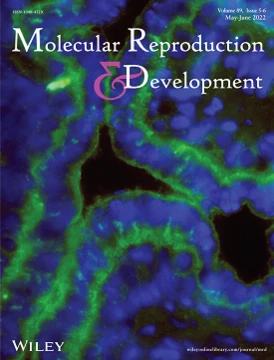
Embryogenesis
The process of embryo formation from zygote to multicellular organism.

Embryogenesis is the process by which a single-celled zygote develops into a multicellular embryo, encompassing the stages of cleavage, blastula formation, gastrulation, neurulation, and organogenesis. It is a fundamental biological process in both animals and plants, studied to understand development, stem cells, and evolution.
- field
- Developmental biology
- known_for
- The sequence of stages from zygote to embryo, including cleavage, blastula, gastrulation, and organogenesis
Lore & Background
Embryogenesis begins with fertilization, the fusion of male sperm and female egg cells to form a single-celled zygote. The zygote undergoes rapid mitotic cell divisions called cleavage, producing blastomeres that form a solid ball called a morula. The morula then takes in fluid to create a cavity (blastocoel), becoming a blastula or, in mammals, a blastocyst. The mammalian blastocyst hatches before implanting into the endometrial lining of the womb. After implantation, gastrulation forms three germ layers—ectoderm, mesoderm, and endoderm—in triploblastic animals. These layers give rise to all tissues and organs: ectoderm to skin and nervous system, mesoderm to muscles and bones, endoderm to digestive and respiratory organs. Neurulation follows, forming the nervous system, and organogenesis develops all organs. In humans, the developing organism is called an embryo until the ninth week after conception, then a fetus. In plants, embryogenesis begins with fertilization of an ovule by pollen, forming a diploid zygote. The first cell division is asymmetric, producing an apical cell (forming stem, leaves, roots) and a basal cell (forming the suspensor). Plant embryos progress through globular, heart, and torpedo stages, developing dermal, ground, and vascular tissues, cotyledons, and meristems. The seed then often goes dormant until germination.
Reader's Guide
Embryogenesis is a cornerstone of developmental biology, providing a framework for understanding how complex multicellular organisms arise from a single cell. The process is studied across species—from humans to zebrafish to flowering plants—to uncover mechanisms of cell differentiation, gene expression, and tissue formation. In animals, the stages of cleavage, blastula, gastrulation, and organogenesis are conserved, though timing varies: human embryos become fetuses at nine weeks, while zebrafish embryos end when a bone called the cleithrum appears. In plants, embryogenesis produces seeds with an embryo, endosperm, and seed coat, and the embryo's development through globular, heart, and torpedo stages establishes the basic body plan. Research on embryogenesis informs stem cell biology, evolutionary studies, and medical applications such as understanding birth defects. The term 'embryo' itself derives from Greek meaning 'growing in,' reflecting its developmental nature. The study of embryogenesis also highlights the distinction between pre-implantation embryos (sometimes called pre-embryos) and later stages, a distinction relevant to ethical discussions. By examining both animal and plant embryos, scientists gain insights into the universal principles of development and the diversity of life cycles.
Did You Know?
- The word 'embryo' derives from Greek ἔμβρυον (émbryon) meaning 'young one,' from ἐν (en) 'in' and βρύω (brýō) 'to swell, to be full.'
- In humans, a developing organism is called an embryo until the ninth week after conception, after which it is referred to as a fetus.
- During plant embryogenesis, the first cell division is asymmetric, producing a small apical cell and a large basal cell.
- All land plants create embryos and are collectively called embryophytes (Embryophyta), distinguishing them from algae.
Frequently Asked Questions
What is Embryogenesis?
Embryogenesis is the biological process in which a single fertilized egg cell transforms into a complex multicellular embryo. It covers everything from the initial rounds of cell division through to the emergence of distinct organs and tissue layers.
What are the key stages of Embryogenesis?
The process unfolds through a well-defined sequence: cleavage (rapid cell division), blastula formation, gastrulation (layer formation), neurulation, and organogenesis. Each phase builds on the one before it to progressively organize the embryo's body plan and functional structures.
Why is Embryogenesis important to study?
Understanding Embryogenesis helps scientists grasp how a single cell gives rise to the full complexity of an organism, which is central to stem cell research, regenerative medicine, and evolutionary biology. It also illuminates how developmental errors can lead to congenital conditions.
Which branch of biology focuses on Embryogenesis?
Embryogenesis falls squarely within developmental biology, the field dedicated to tracking how organisms grow from a zygote into their mature form. Researchers in this area examine the molecular and cellular mechanisms that drive each stage of early development.
Does Embryogenesis occur only in animals?
No, the concept applies broadly across both animal and plant kingdoms, though the specific mechanisms differ between them. Comparing Embryogenesis across multiple species helps scientists identify universal principles of development as well as lineage-specific variations.
More in Reproduction And Development 25-34
Elsewhere in the Reproduction And Development universe
Spotted an error? Know more?
This is a living reference — every entry is fact-audited, and reader corrections feed straight into our audit queue. Suggest an edit · See this site's audit record